
Collection no. 88 · Mid–late ·
White Madeira #1
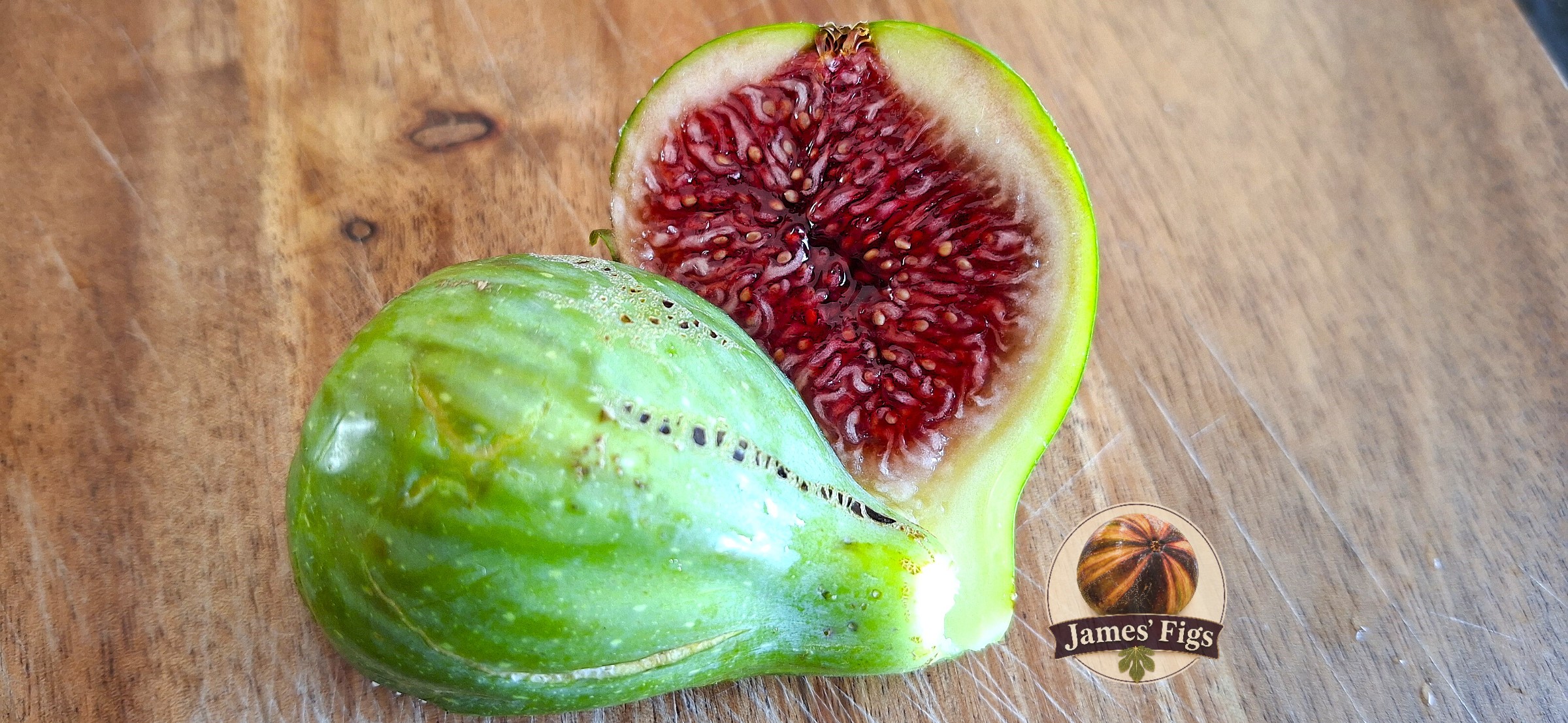
This is a highly rated, proven powerhouse, a favourite of many top fig collectors. Falling into the "adriatic" family of figs, this Portuguese variety has proven to be in the top tier level of figs, up there with the very best.
Background
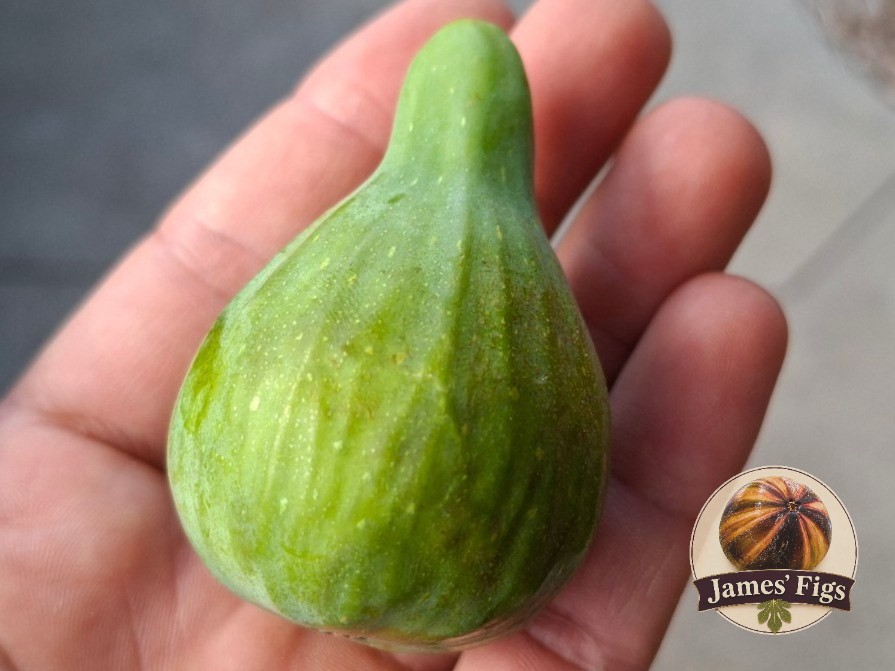
The White Madeira #1 (WM #1) fig traces its documented origins to Madeira Island, Portugal, and was introduced to the modern U.S. fig-collecting community on September 1, 2013, when a collector named Tam discovered very old parent trees growing on the Maryland property of a Greek homeowner near the Washington, D.C. metro area. According to records archived on the Fig Database, the homeowner had received a few green-skinned fig trees many years earlier from a friend from the Madeira Islands, prompting Tam to label this specific specimen "White Madeira No. 1" to distinguish it from the owner's other trees. Noting its strong resemblance in leaf shape, fruit neck, and eating quality to Black Madeira, Tam shared cuttings with prominent collectors and nurseries—including Harvey Correia of Figaholics and Bass Samaan of Trees of Joy—who propagated and distributed it widely. Horticulturally, growers group it within the Adriatic fig flavor category (green-to-yellow skin with deep red, berry-flavored pulp), though nurseries like Planting Justice note it is distinct from the standard "White Adriatic" cultivar, and its exact genetic relationship to Black Madeira remains unverified by formal DNA testing. Additionally, while the Maryland specimen is the sole source of the "#1" clone, similar green figs from Madeira have also entered the U.S. independently through European sources such as France's Baud Nursery. The White Madeira #1, variety is highly treasured by many top collectors from around the world, including Harvey Correia who has mentioned that it is one of his all time favourites.
Flavour profile
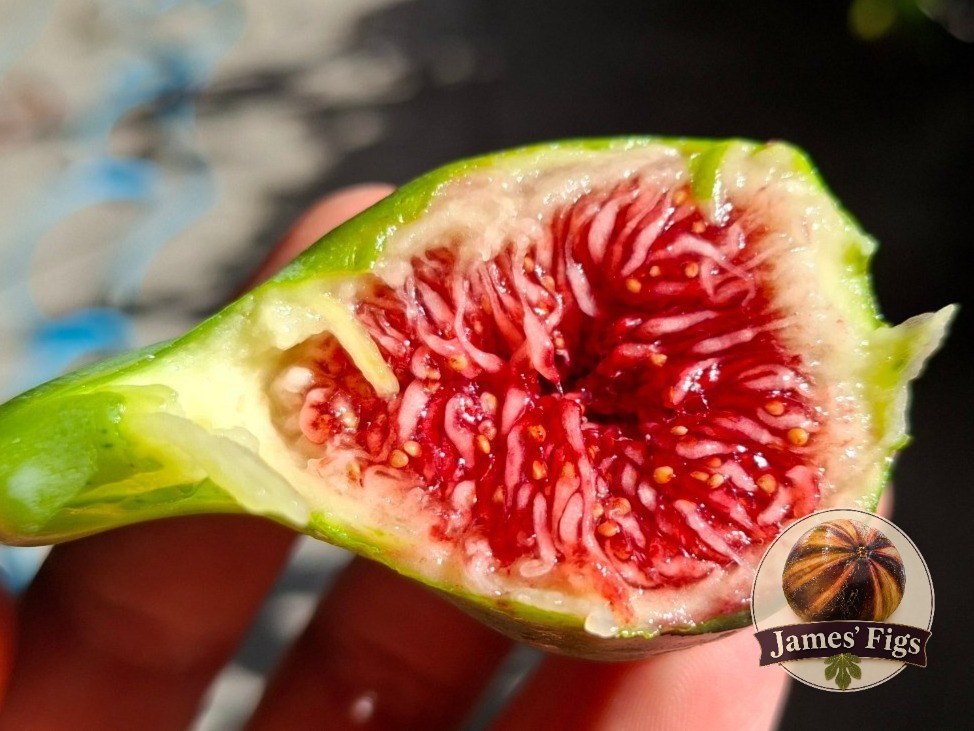
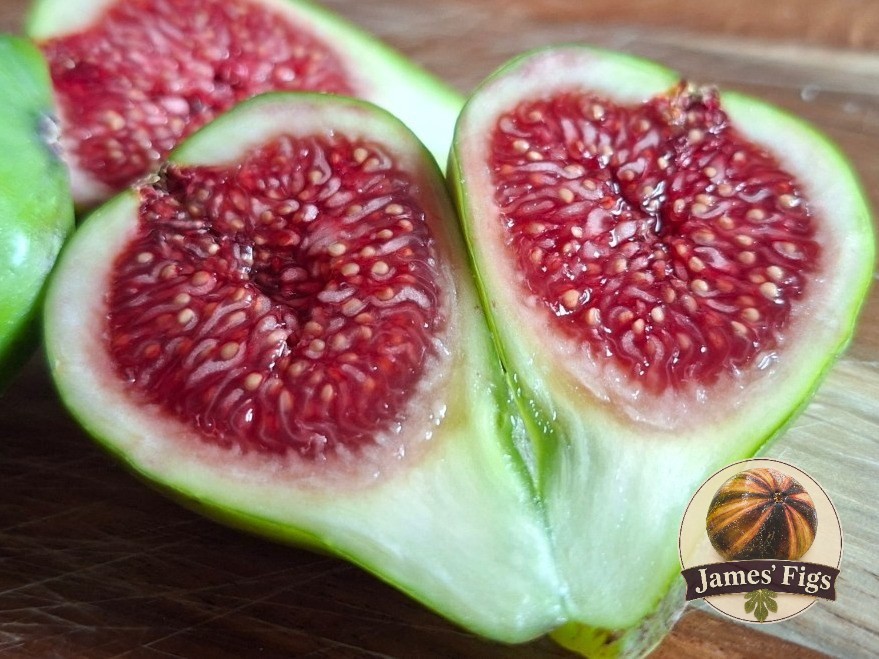
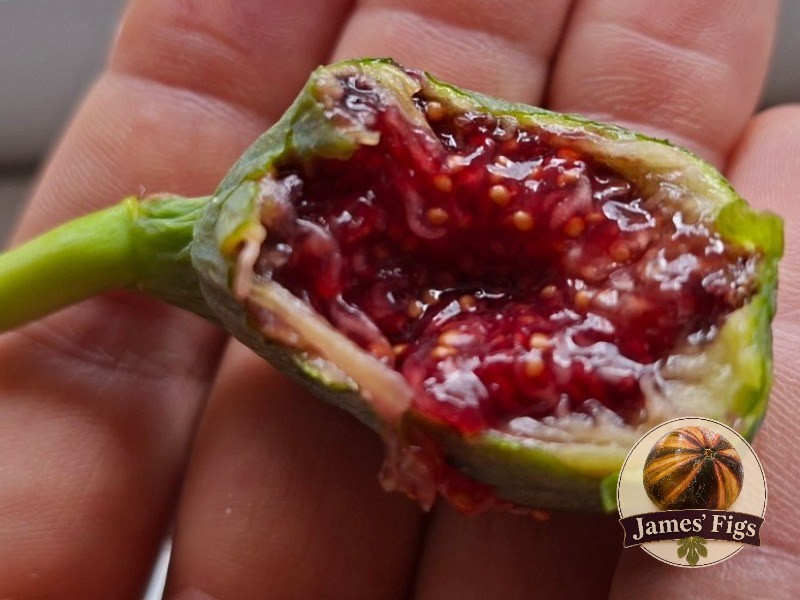
Rich, intense, complex raspberry-strawberry flavour with good acid balance
Observations
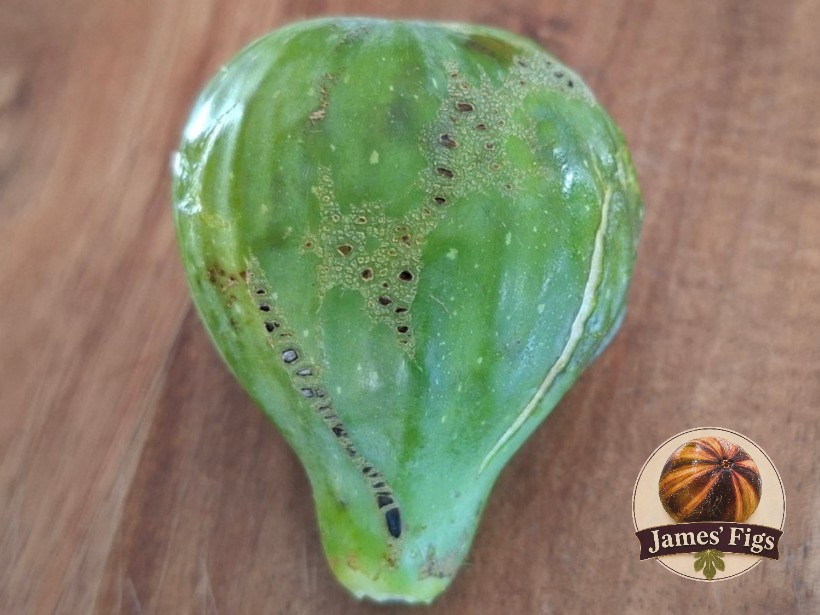
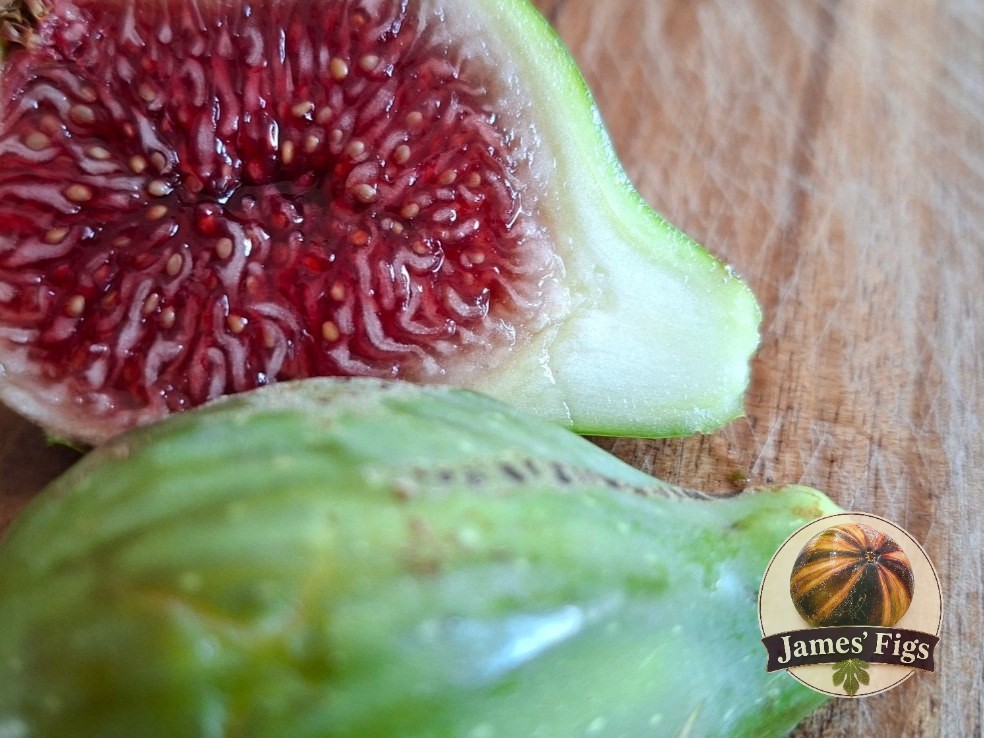
- Handles rain well with its mostly tight eye Quite productive once mature, need more time to confirm this for sure
Compare side by side
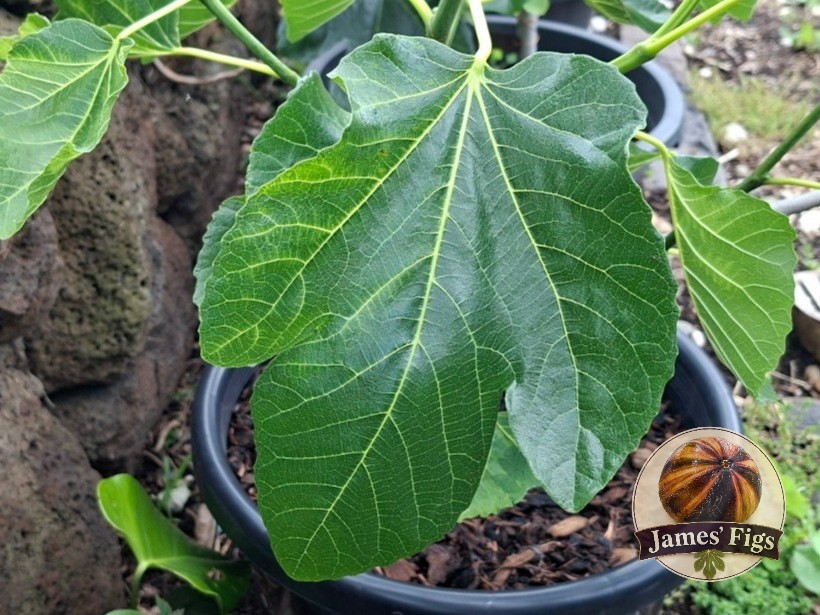
See photos of the outside, inside and leaf next to any other variety.