
Growing Guide · 14 November 2026 · 6 min read
Best Fig Varieties for Australian Backyards: A Grower's Guide
Standout performers and proven cultivars from my Victorian orchard for Australian climates and backyard spaces. Plus distinct flavour profiles and tips on maximising space and choosing varieties.
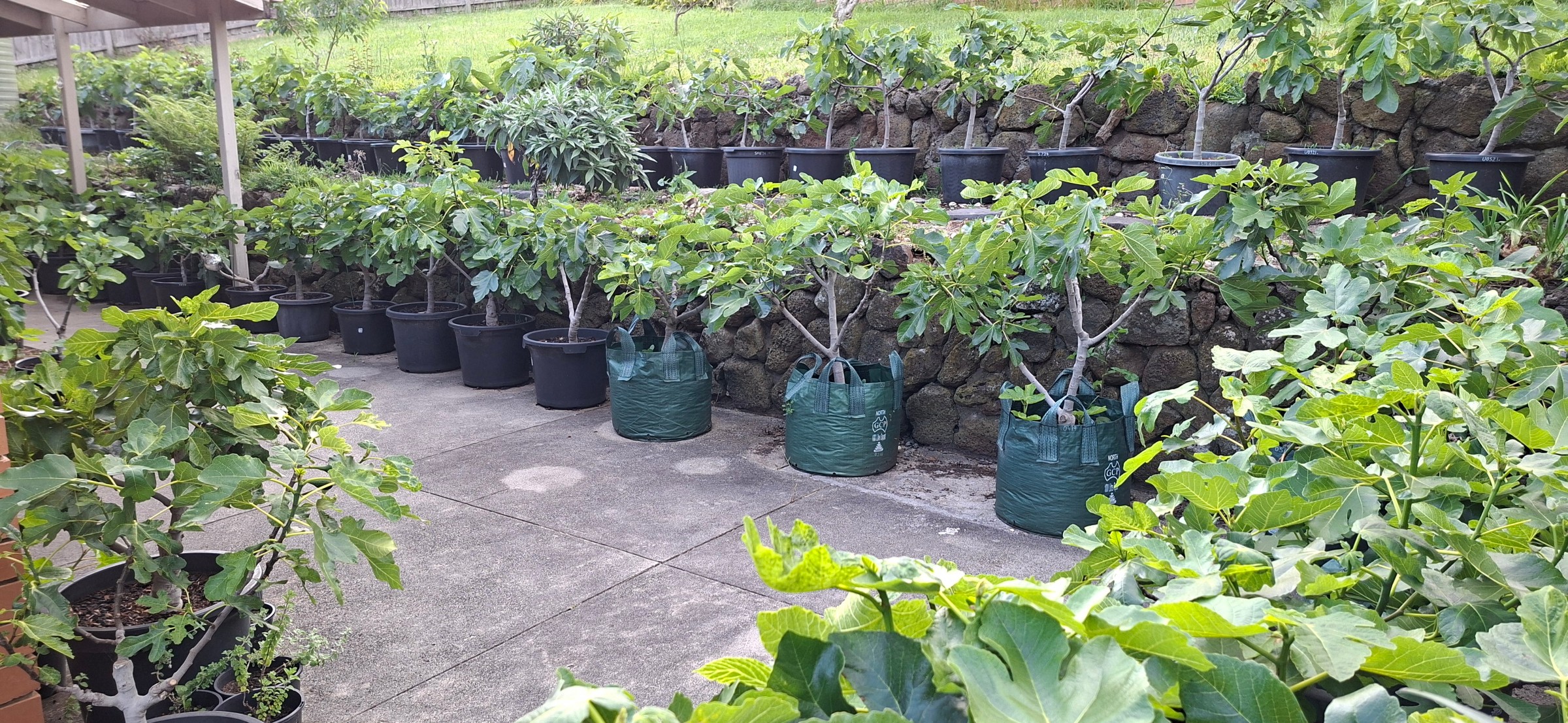
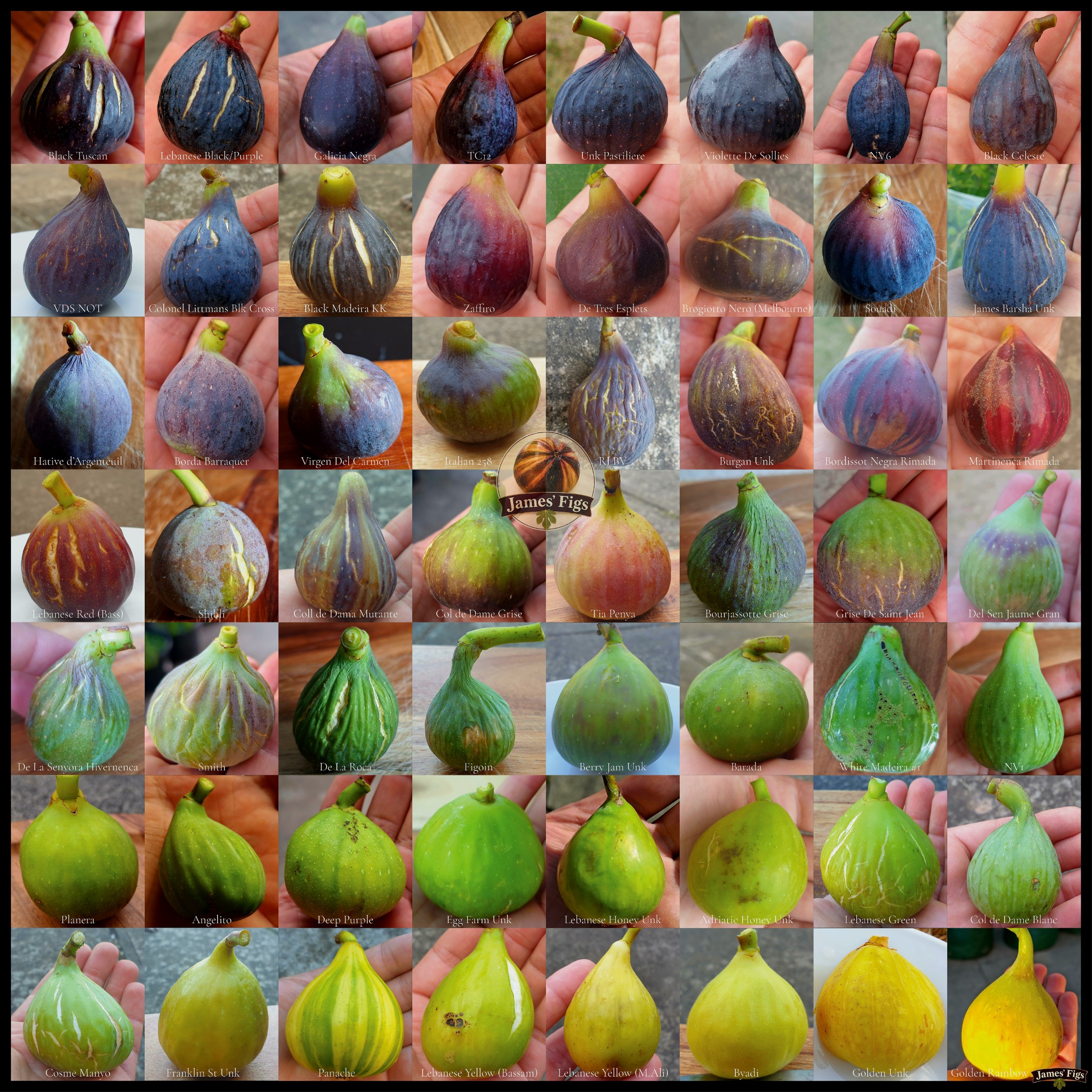
My collection currently sits at over 85 rare and heirloom varieties, with new trees added each season. Because many of these trees are still young and being trialled, this guide reflects what I have observed so far — and will continue to be updated each autumn as more trees fruit and mature in local Australian conditions.
1. Understanding season length: early, mid and late
A common myth in Australia is that southern gardeners (such as in Melbourne or parts of regional Victoria) must stick only to early-ripening varieties. In reality, southern Australia's mild, lingering autumns frequently allow mid and late-season varieties to ripen with incredible depth and sugar concentration right through March and April — especially when planted in full sun or against a north-facing fence or brick wall. Rather than limiting yourself, think of ripening times as a way to stagger your harvest.
Early-season varieties
Why grow them: perfect for kicking off the season early and securing ripe fruit before any mid-season rain. Featured examples:
Lebanese Red (Bass)
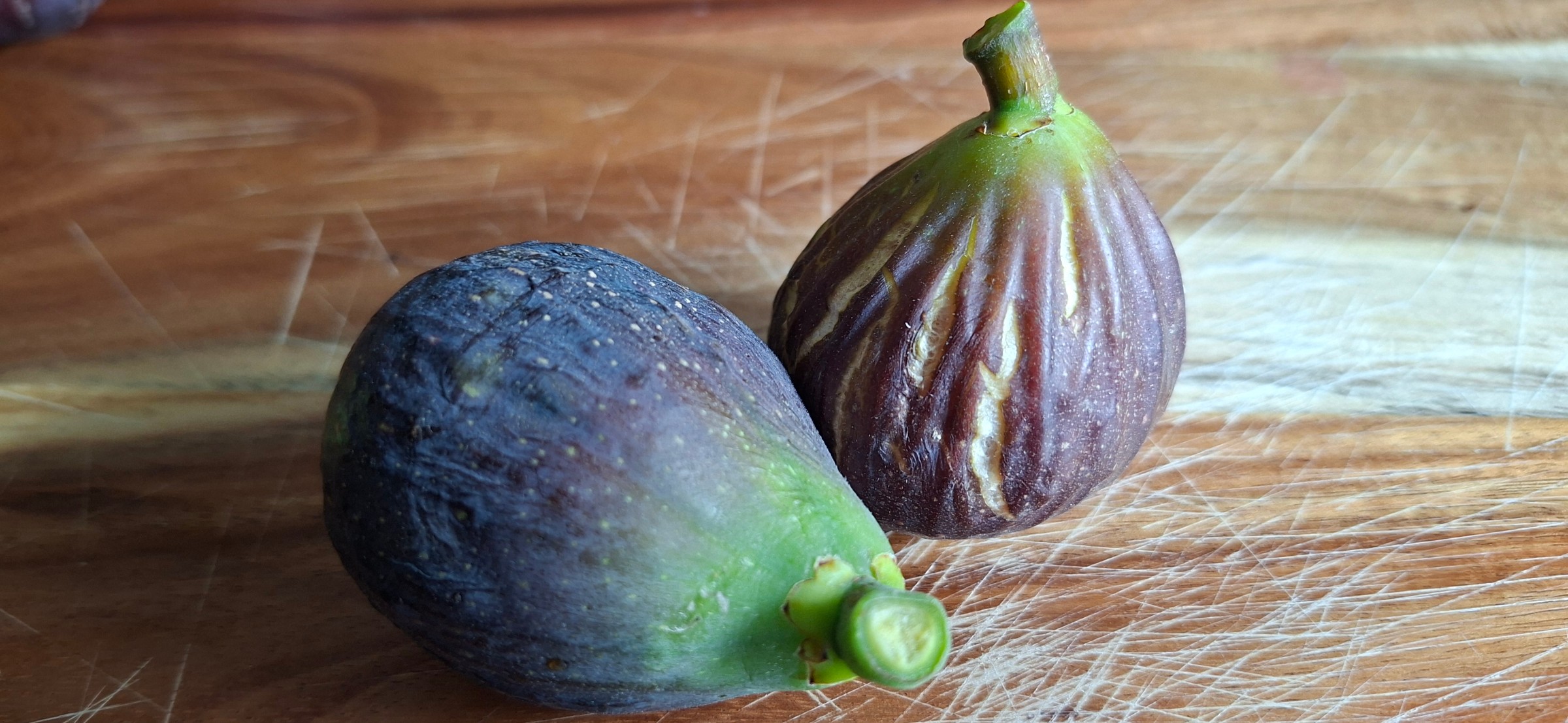
Produces a reliable, high quality breba crop which ripens in December. Main crop is also early. Great all round fig.
Black Celeste
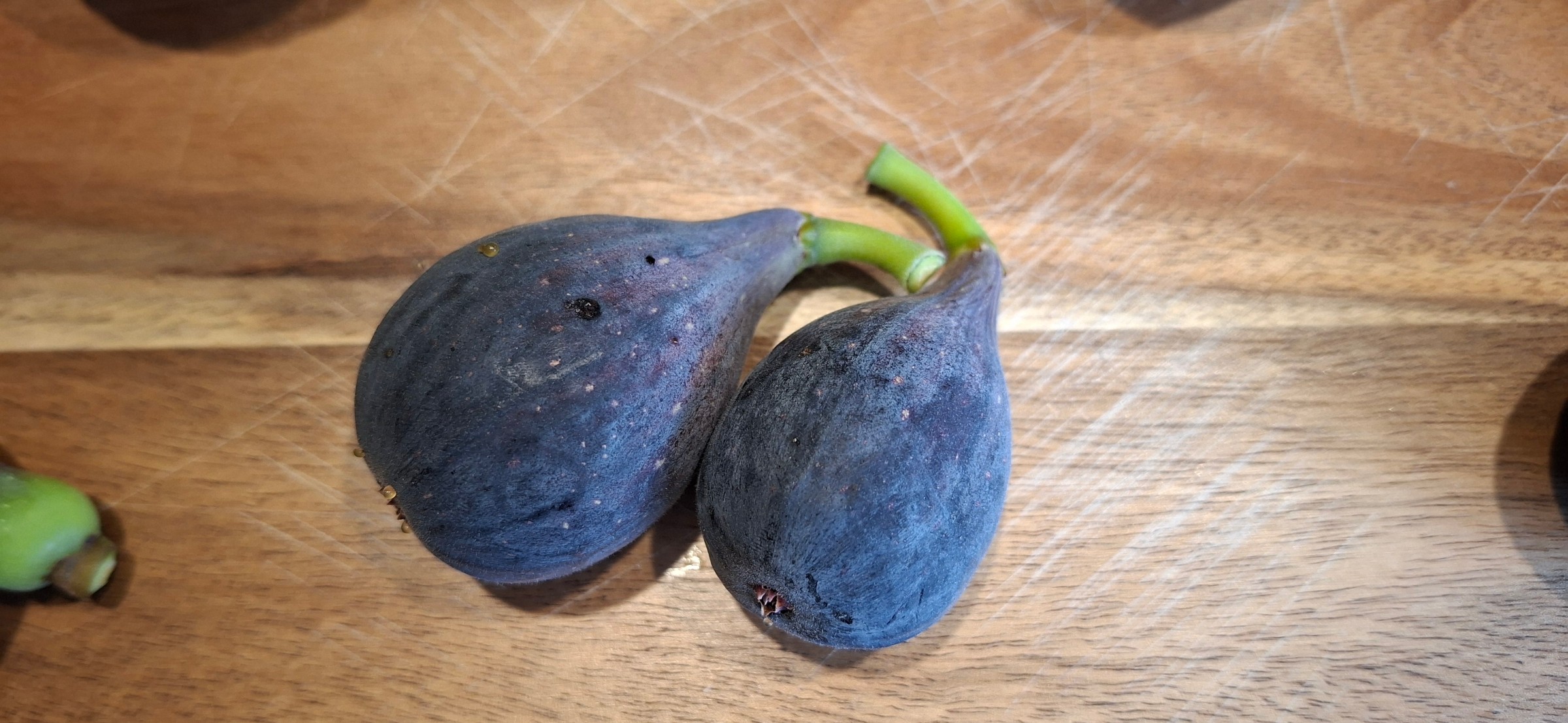
Exciting fruity blueberry flavour and superb rain resistance.
Mid-season varieties
Why grow them: the backbone of the Australian fig season, performing reliably in almost every climate. Featured examples:
Bourjasotte Grise
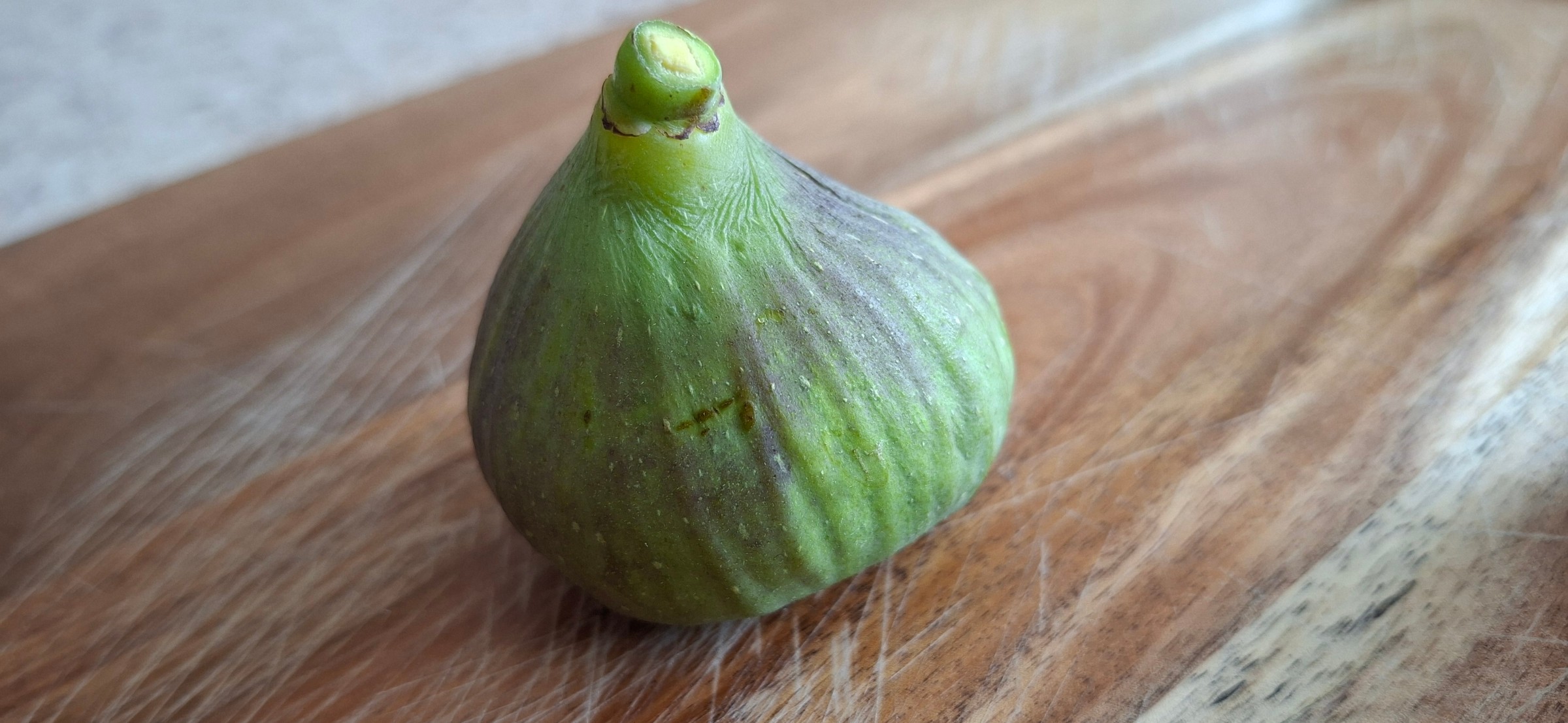
Rich, intense berry jam. Reliable cropper.
Hative d'Argenteuil
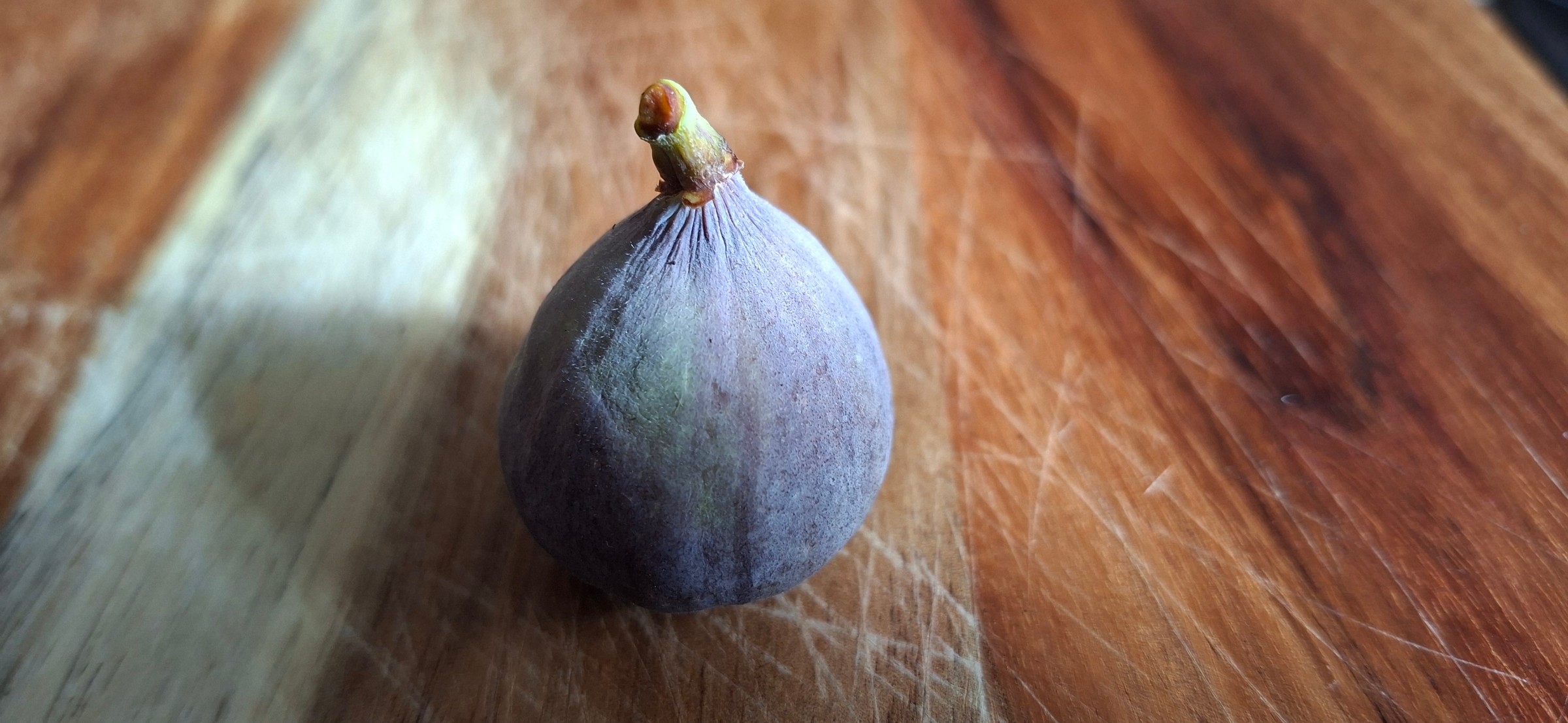
Rich, sweet, complex berry jam with cherry notes. Great all rounder.
Late-season varieties
Why grow them: often produce the most intense, syrupy, concentrated jam profiles as fruit hangs on the tree during cooler autumn nights. They thrive across warm inland regions and finish beautifully in southern backyards with full all-day sun. Featured examples:
Martinenca Rimada
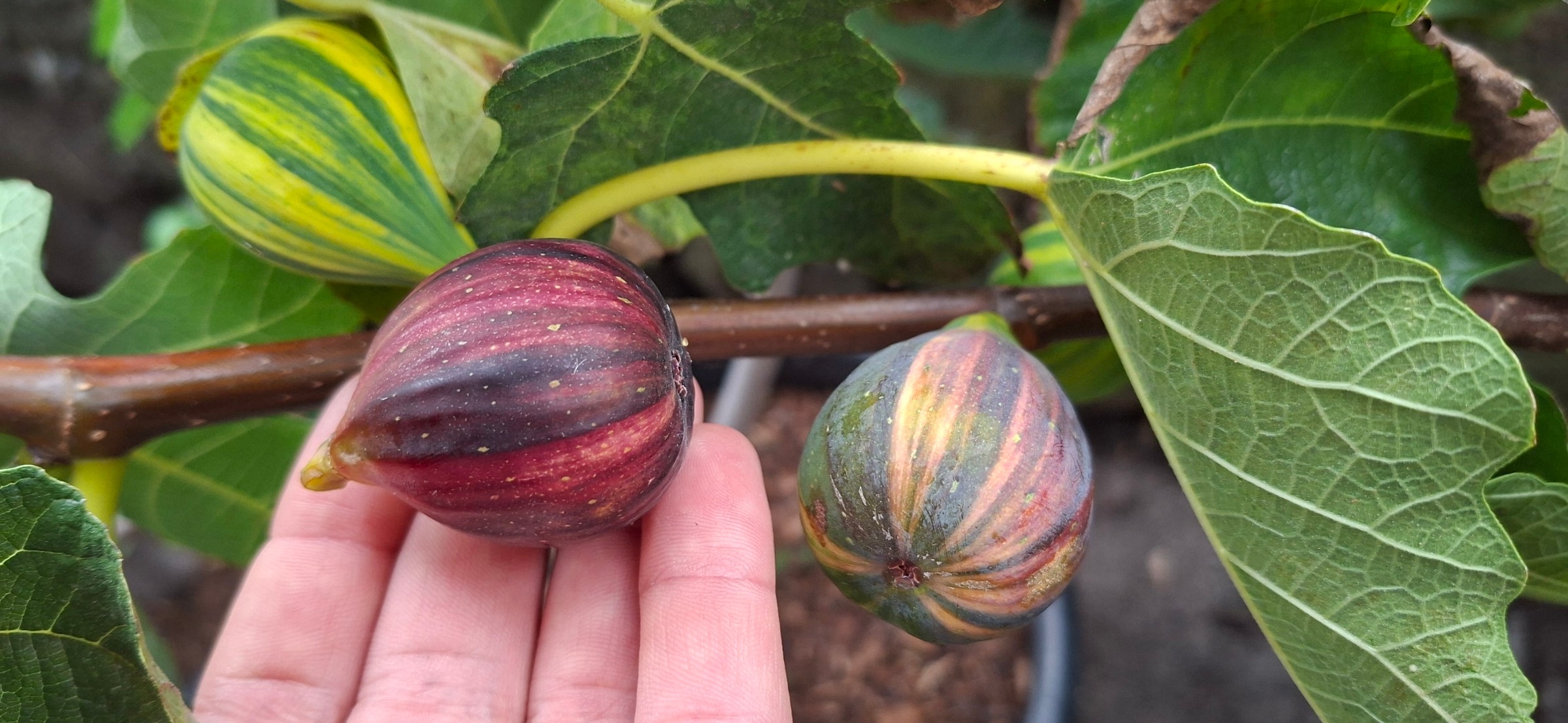
Rich, intense berry jam. Beautiful colourful, striped skin
De La Senyora Hivernenca
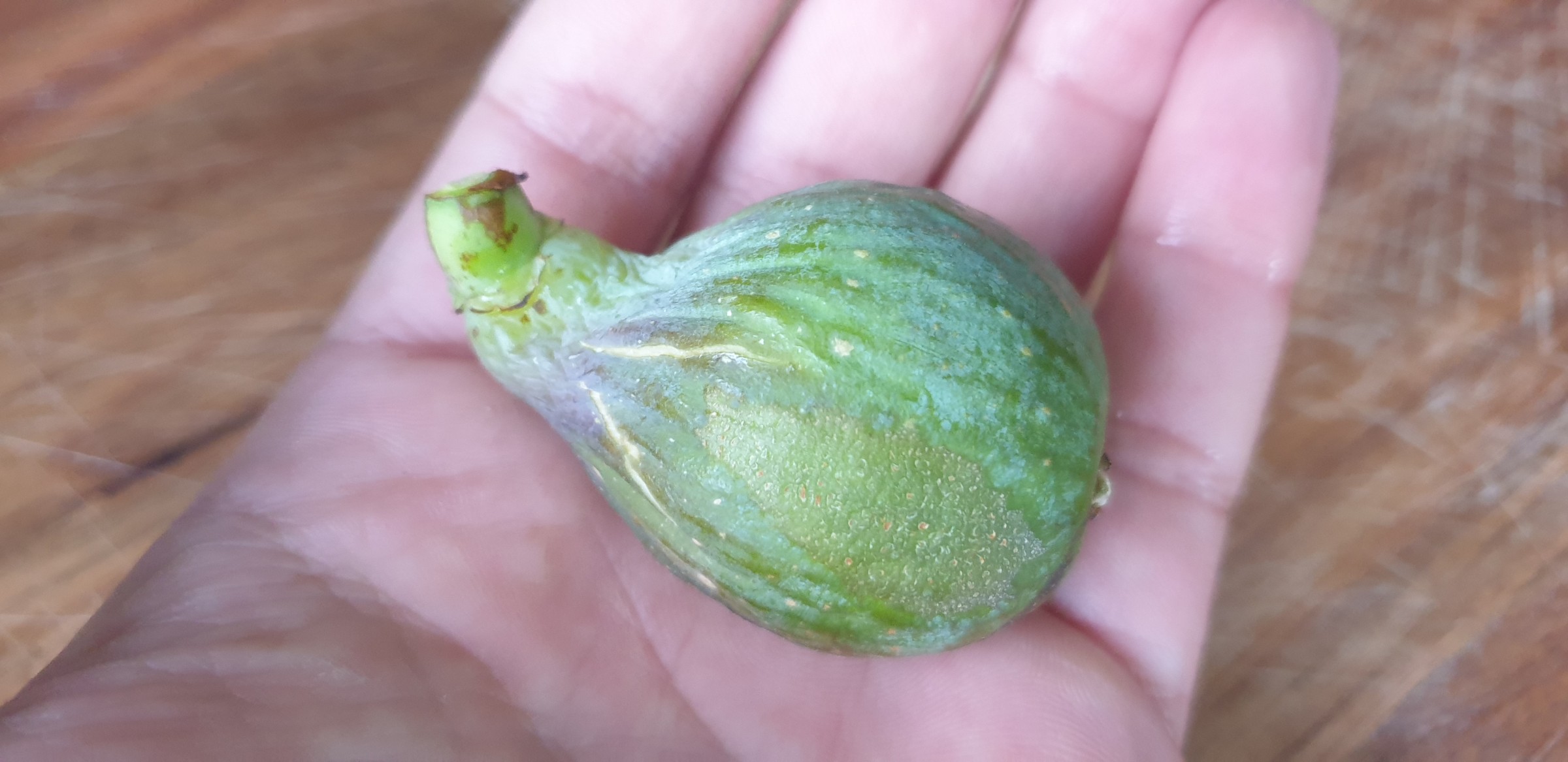
Very late ripener. Rich, sweet berry jam. Great rain resistance.
2. Handling humidity and summer rain (coastal NSW and humid zones)
In coastal regions prone to sudden summer downpours (QLD and NSW), look for cultivars with a tight or closed eye and firmer skin. Open-eyed figs can allow water and insects inside, leading to splitting or souring, whereas closed-eye varieties shed rain and continue ripening cleanly. Tip: on the Varieties page, use the Traits filter to see every variety noted for rain tolerance. Featured examples:
Smith
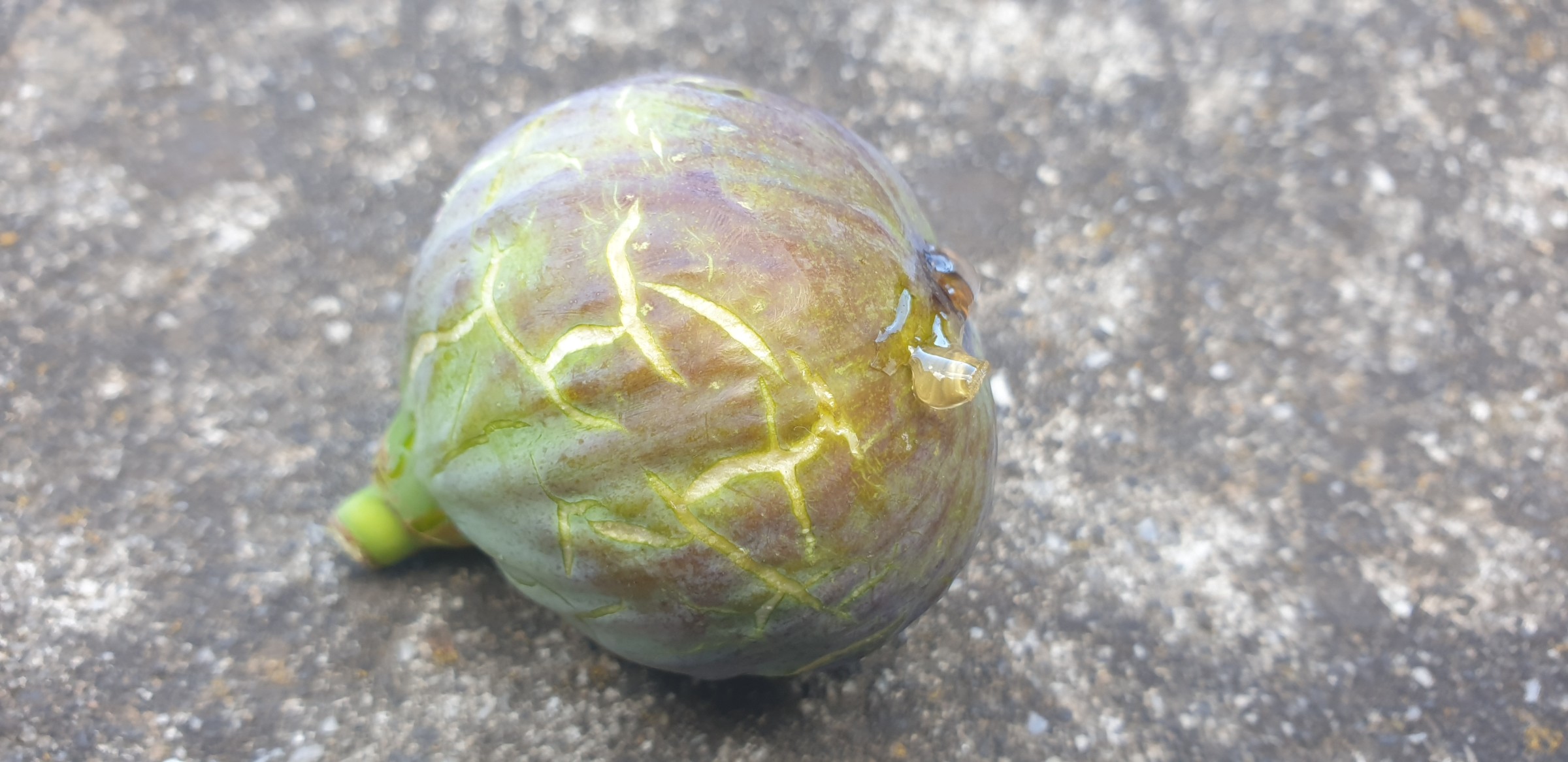
Tight eye often plugs itself with a drop of honey. Develops cracking all over, helping distribute water pressure and preventing splitting. Firm skin.
Figoin
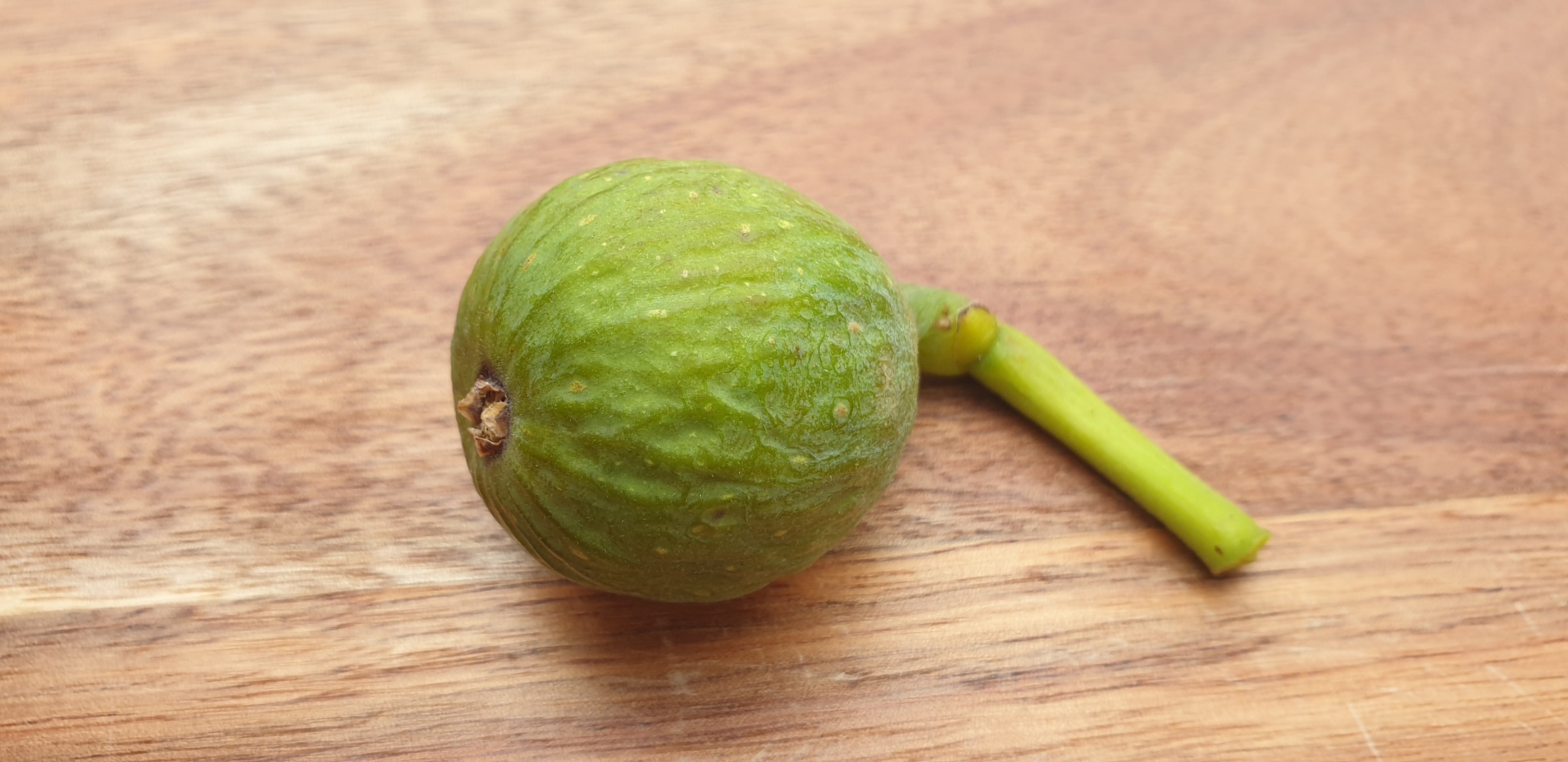
Tight eye, long stem, can dry on tree. Small sized fruit.
3. Choosing by flavour: berry jam vs gentle honey
Beyond climate, the biggest decision is what you actually enjoy eating. Dark and rich berry profiles: for those who love thick, jammy fruit with complex berry acidity, figgy depth and intense sweetness. Featured examples:
Col de Dame Blanc
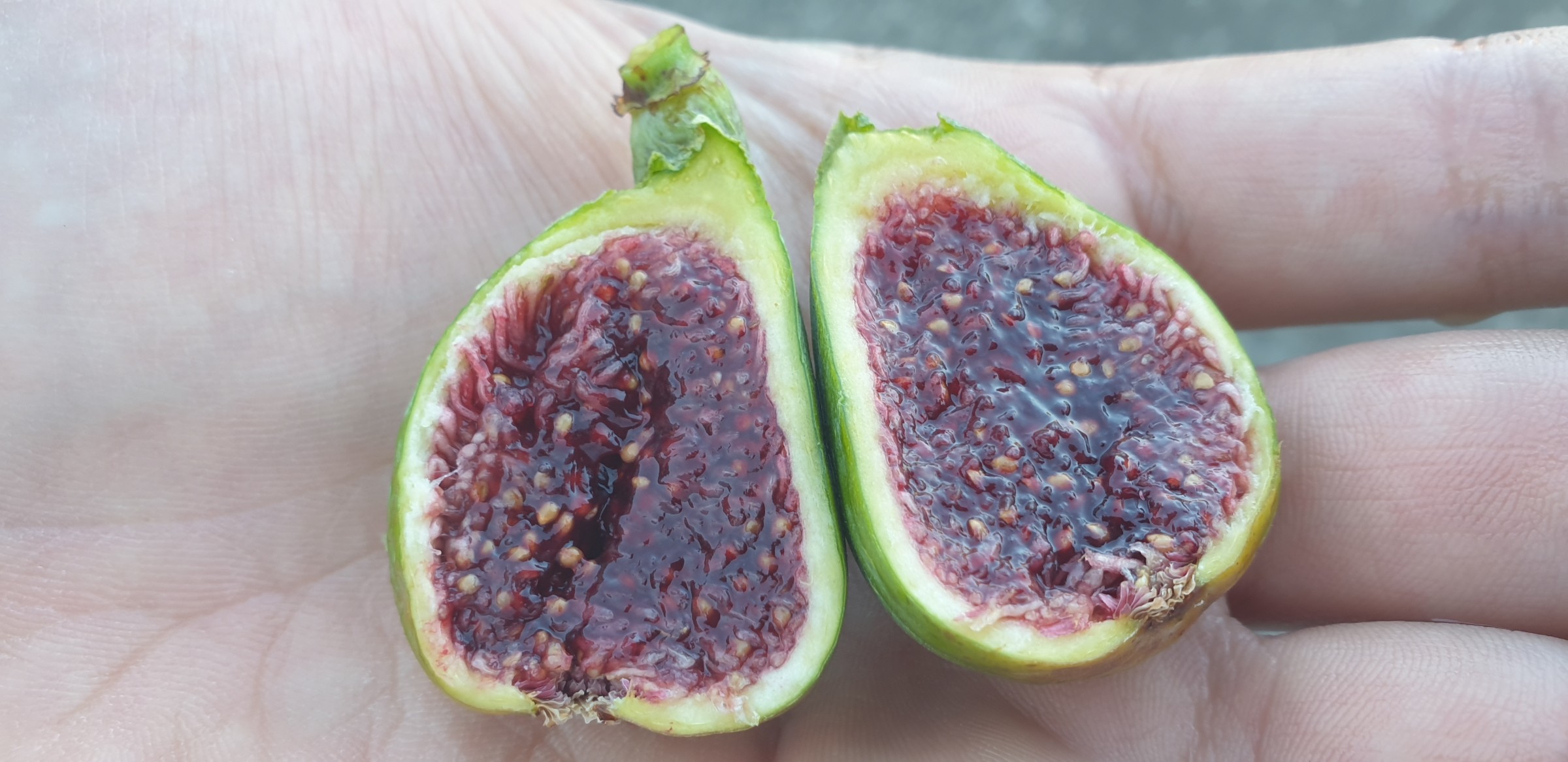
Possibly the pinnacle of intense berry flavour. Rich, thick, jammy pulp.
Black Madeira KK
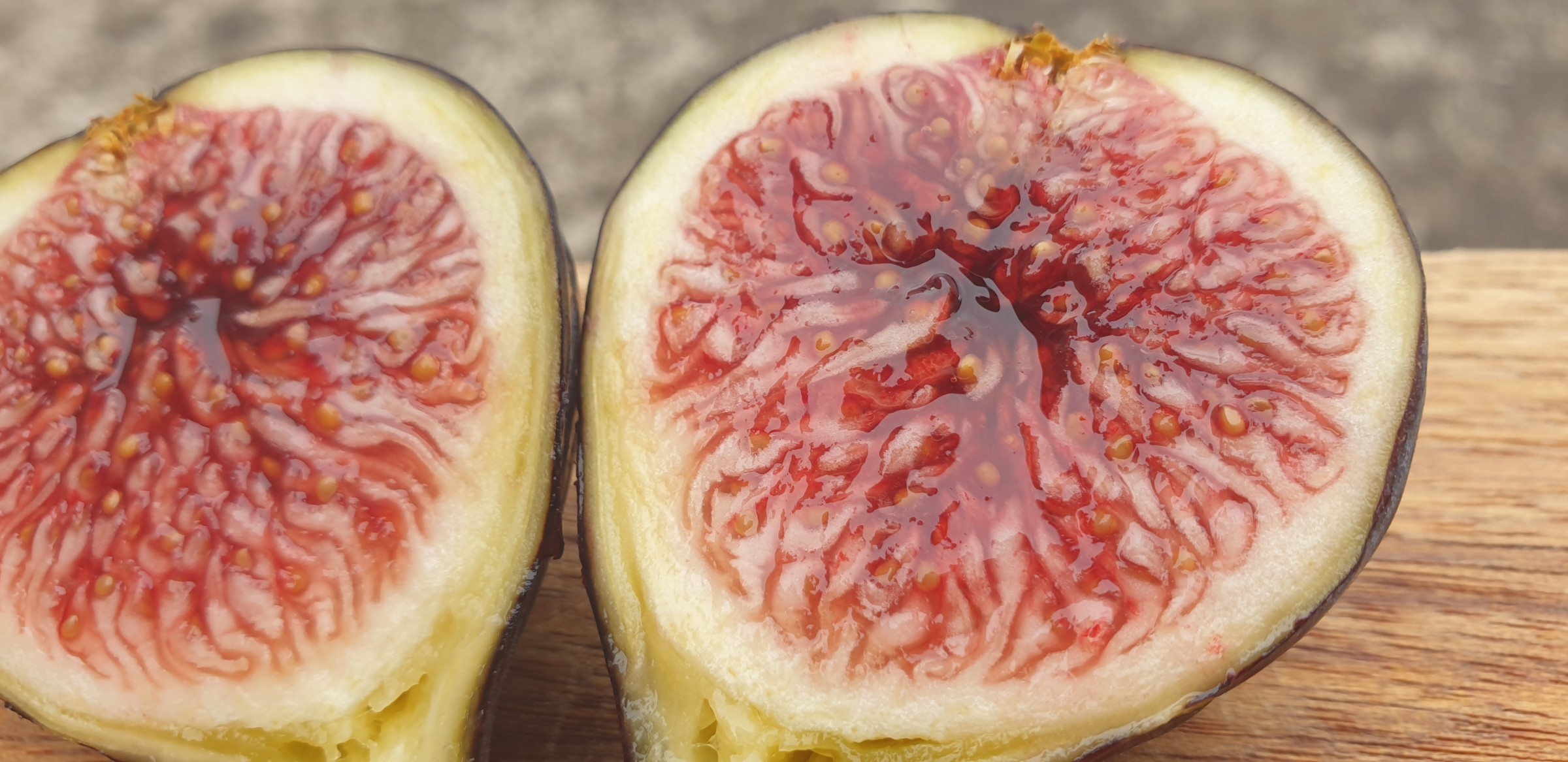
Bold, rich, complex dark berry.
Honey and sugar profiles
For growers who prefer delicate, aromatic, floral sweetness with no tartness — classic Mediterranean and Middle Eastern favourites. Tip: browse by flavour in the filters — including Dark berry, Adriatic berry, Honey, Sugar/figgy and Caramel — to see every option in each taste profile. Featured examples:
Byadi
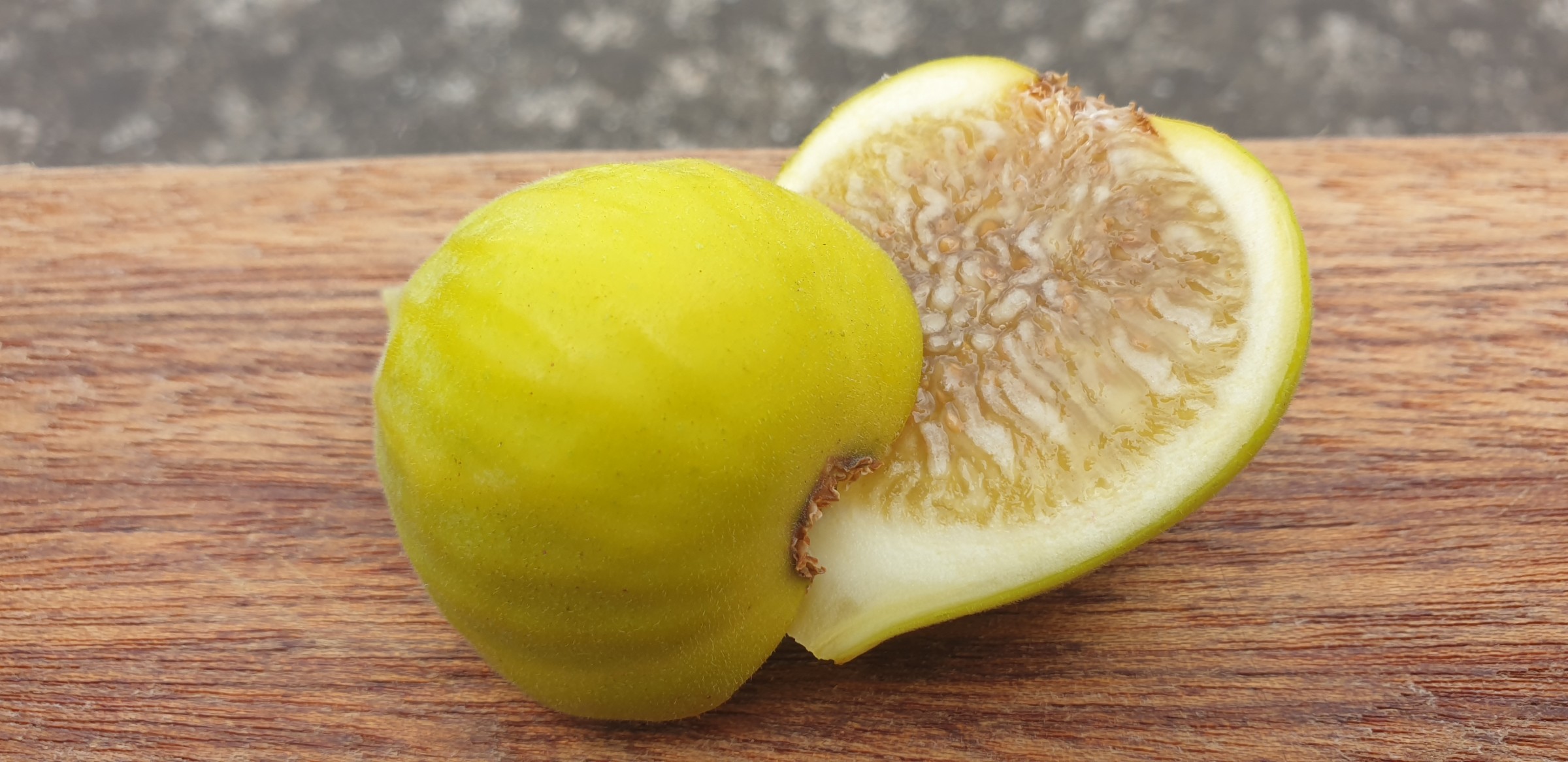
Delicious, aromatic, sweet honey.
Golden Rainbow
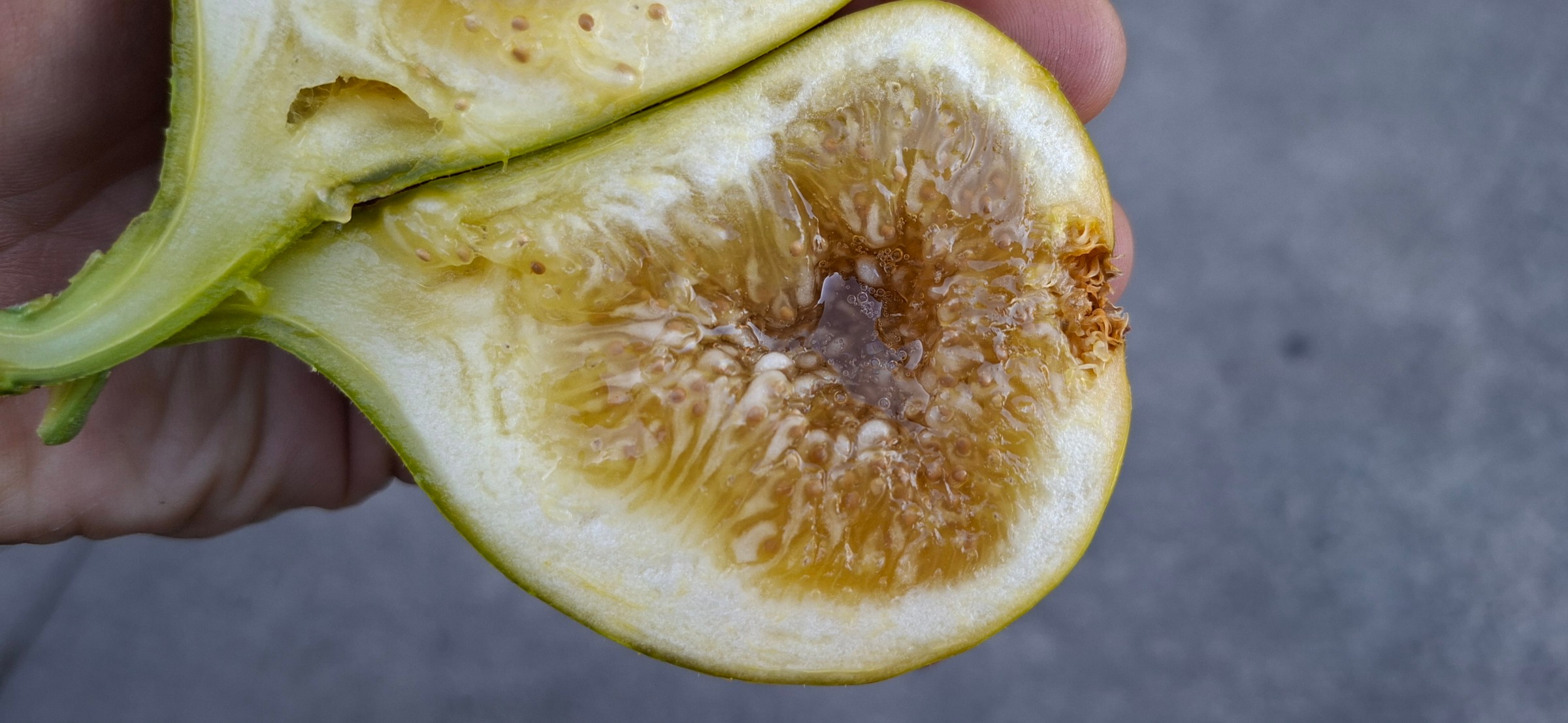
Large size, honey with exotic tropical fruit notes.
4. Backyard tips: in the ground vs pots
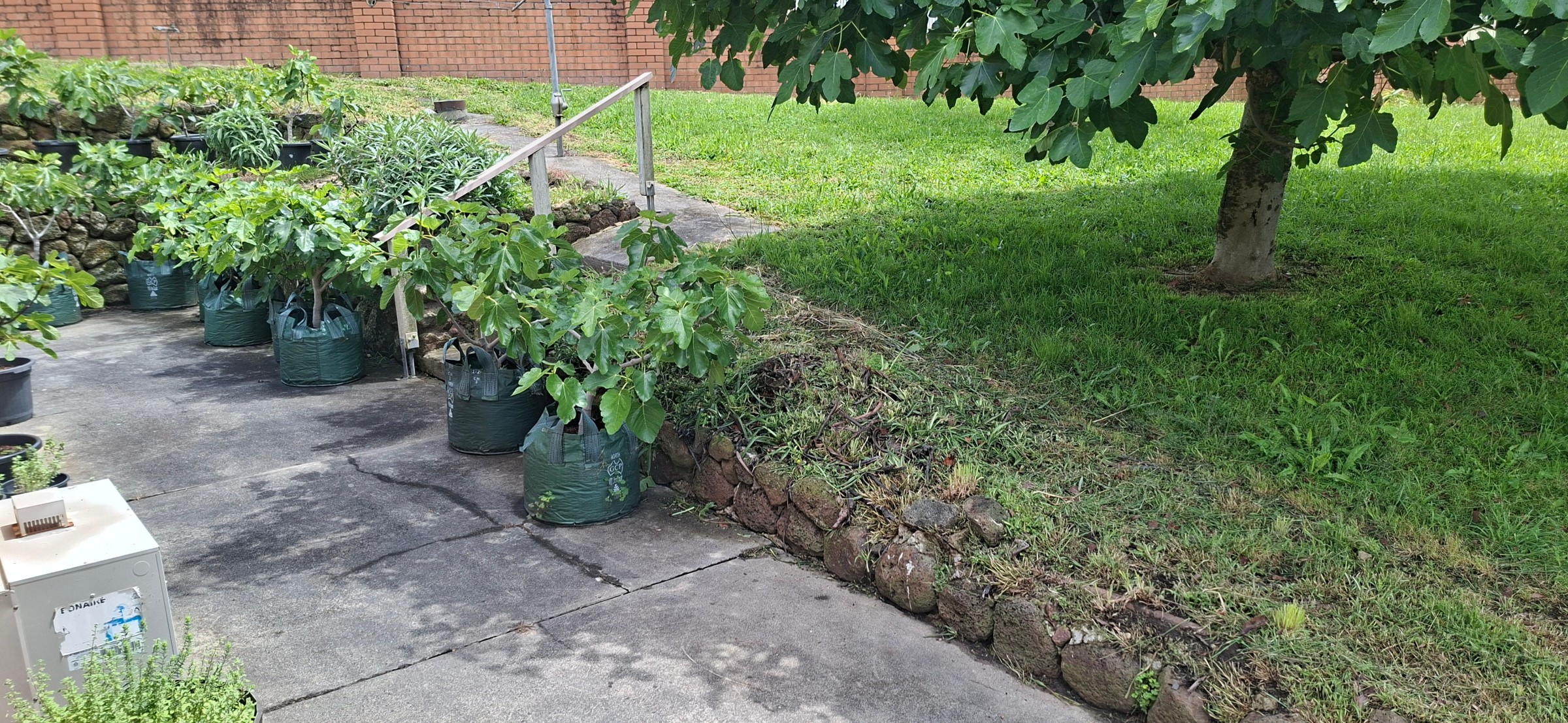
In containers (28L+): ideal for courtyards and small spaces. Restricting root growth naturally keeps the tree compact and pushes it into earlier fruit production rather than excessive leafy growth. In the ground: choose the warmest, sunniest spot in the yard (at least 6–8 hours of direct sun). Annual winter pruning keeps the canopy low and manageable for easy netting against noisy miners, fruit bats and possums, and easier harvesting.
Tight on space but have a large wishlist?
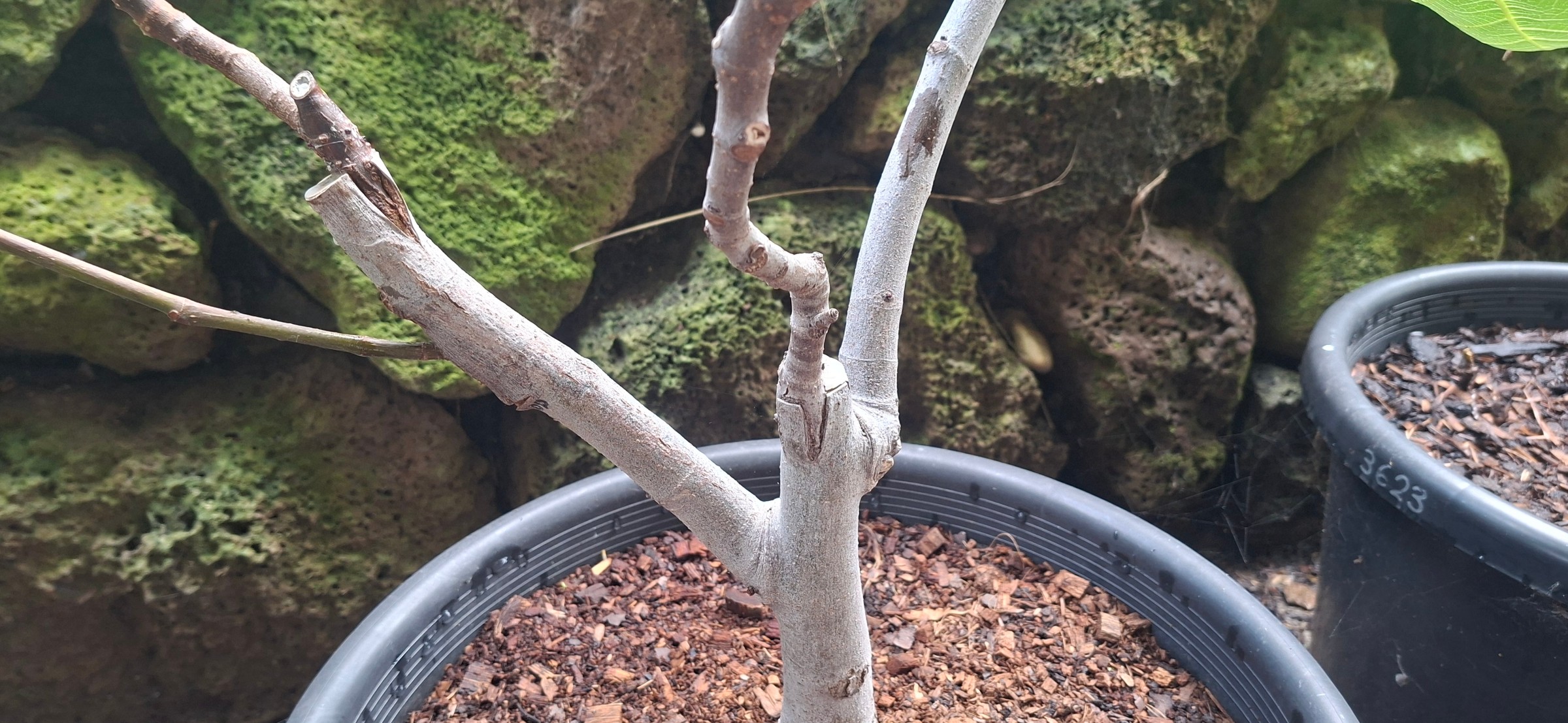
If you have limited space and can only grow a small number of fig trees in ground, you have two options:
Grow in pots
It is a lot easier to fit 10+ varieties in your backyard if they are growing in pots. This also allows you to move them around and transport them if required.
Grafting!
If you have one or two trees in ground already or plan to, you can easily graft several varieties on each tree. In fact, some people grow dozens of different varieties on the same tree in order to maximise their collection, while saving on space.
Bonus
You can also graft 2-5 varieties on each potted tree to combine these two space saving options.
5. Compare before you choose
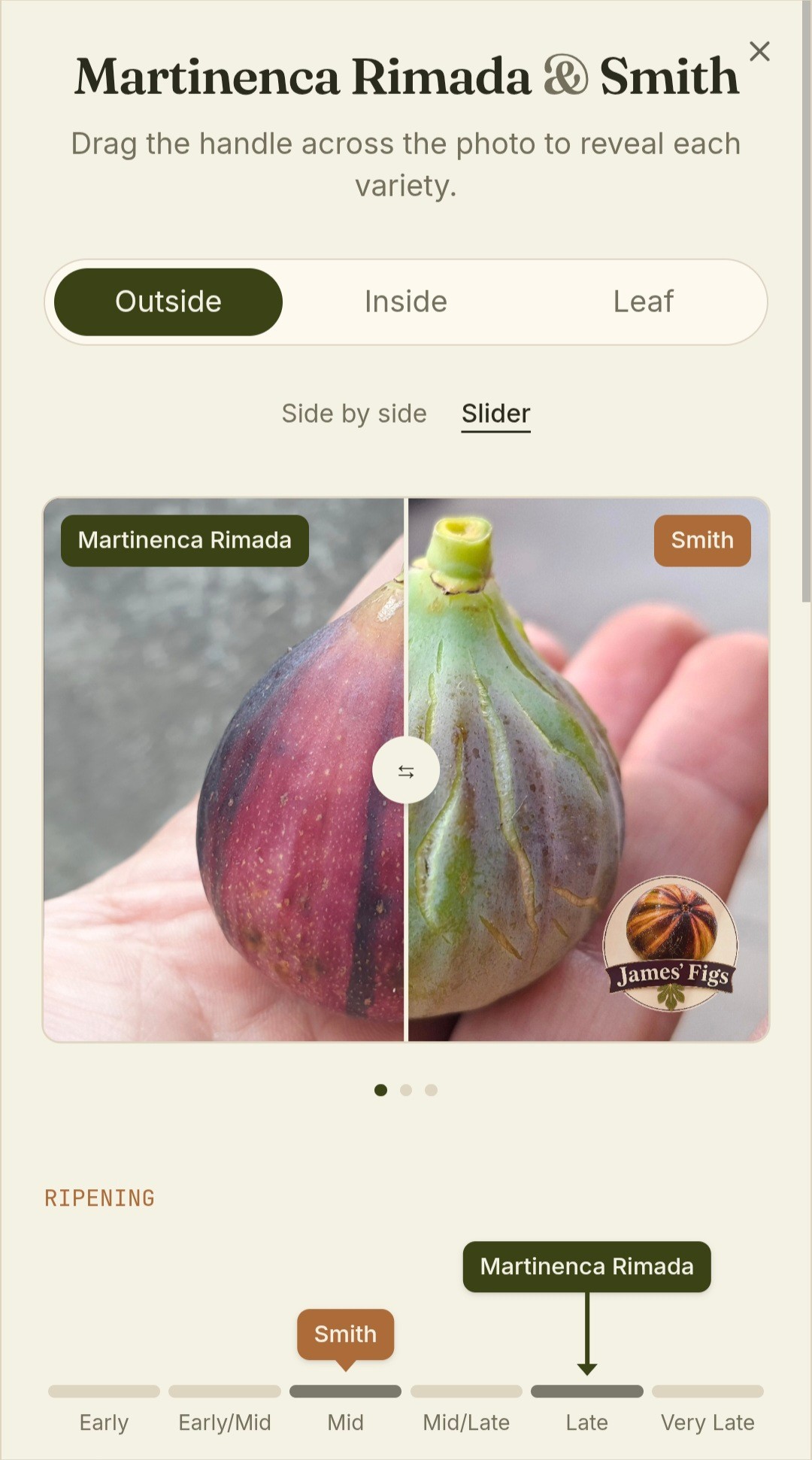
If you are torn between two similar-sounding cultivars, use the Compare tool on the Varieties page. It shows photos of the fruit outside, the sliced inside and the leaf side by side, plus a six-stage ripening chart, so you can see their differences before deciding.
Rare collector varieties
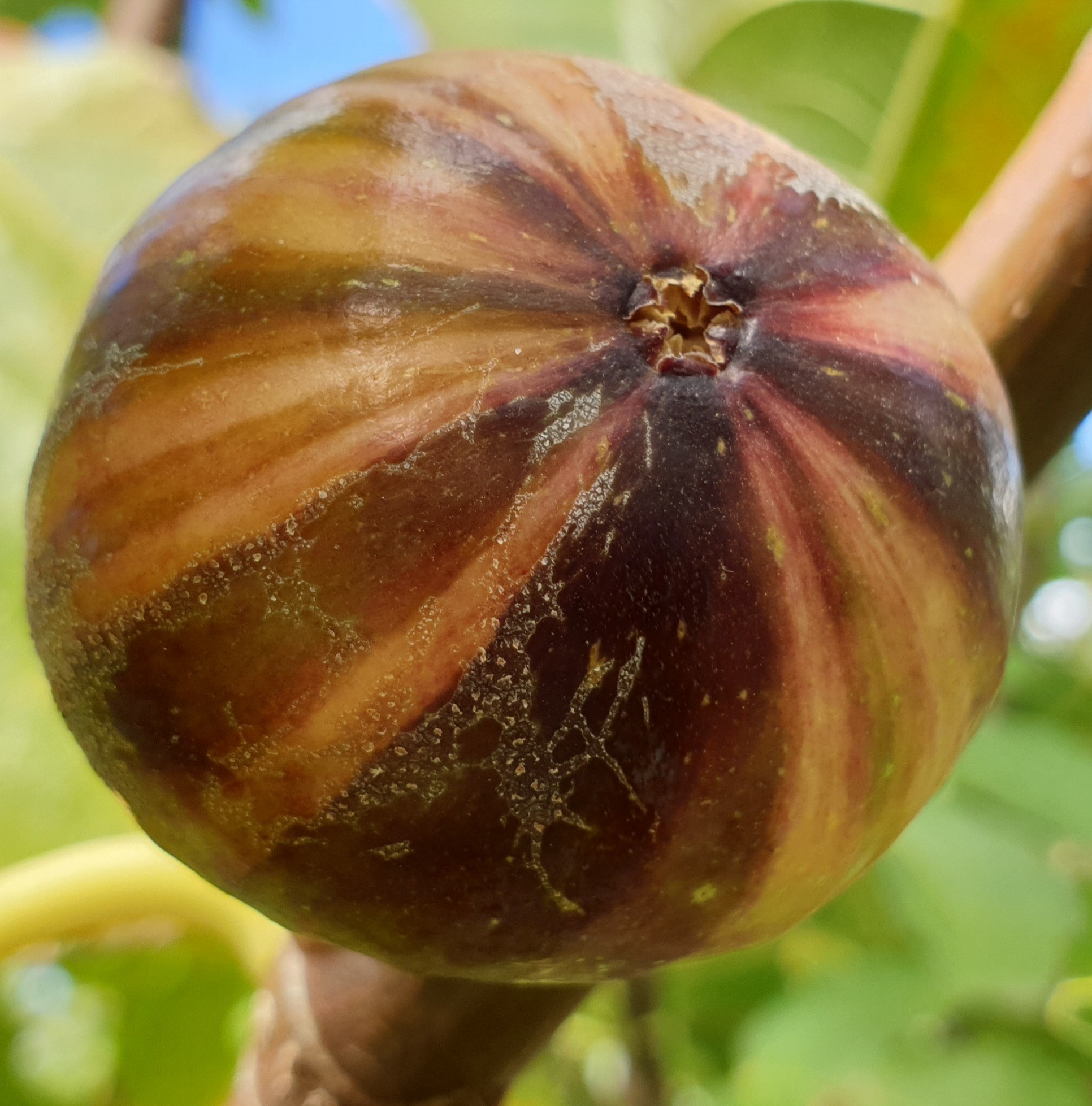
Majority of the varieties I grow are considered rare, hard to find and premium cultivars. If you are a serious collector like myself, I assume you are well aware of which varieties you would like to acquire. However, I have added an "ultra rare" badge to a few of the varieties that are fairly new to the fig scene here in Australia.
Did you enjoy this article?
Keep reading
Browse all field notes